


BLOG
Why Do Gums Recede?
Gum recession is usually caused by incorrect brushing, inherited conditions or existing gum problems.
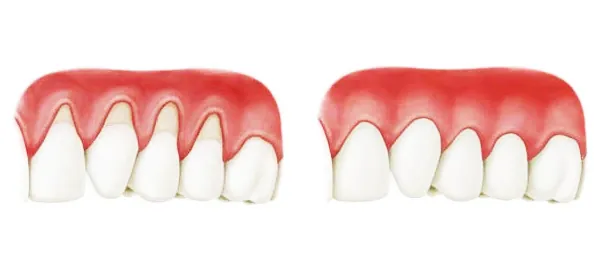
Gum recession is usually caused by incorrect brushing, inherited conditions or existing gum problems.
It is the result of bacterial plaque that forms when food remains between the teeth. Without proper oral hygiene, the problem becomes permanent over time. Regular oral care prevents it; otherwise other problems may follow. The main causes of gum recession are:
Gum disease
Gum disease is a very common infection that can start in childhood. It damages the gum tissue and the jawbone and can lead to tooth loss. If the infection is not treated, the gums recede. With the right treatment and oral hygiene the tissues heal and the risk of new recession is removed.
Crowded teeth
If the teeth are not aligned properly, the risk of gum disease is higher. Gum recession is common with crowded teeth, bite problems that stop the upper and lower jaws from closing properly, and a narrow jawbone. In such patients, orthodontic treatment is followed by periodontal surgery to cover the exposed surfaces.
Incorrect brushing
Gums are very delicate. Brushing too hard can irritate them, and without proper care infections may develop and cause bigger problems. Brushing horizontally is also wrong, because it does not clean the food left between the teeth. Poor oral care leads to bacteria, tooth decay, gum recession and gum disease.
Bruxism (teeth grinding)
Bruxism, known as teeth grinding, can be seen at any age. It is often linked to stress, but dental problems can also cause it. It can damage the appearance of the teeth and lead to gum recession.
Related posts

Can People with Diabetes Get Dental Implants?
Despite some challenges, people with diabetes can have dental implants. What should they do before implant treatment?

Did You Know Clenching Your Teeth Can Put Up to 5 Tons of Pressure on Your Jaw?
Clenching force can reach up to 5 tons. Clenching at night wears the teeth, damages the root tips and can lead to tooth loss over time.

How Long Does Dental Implant Treatment Take?
How long dental implant treatment takes is one of the first questions everyone considering an implant asks.