

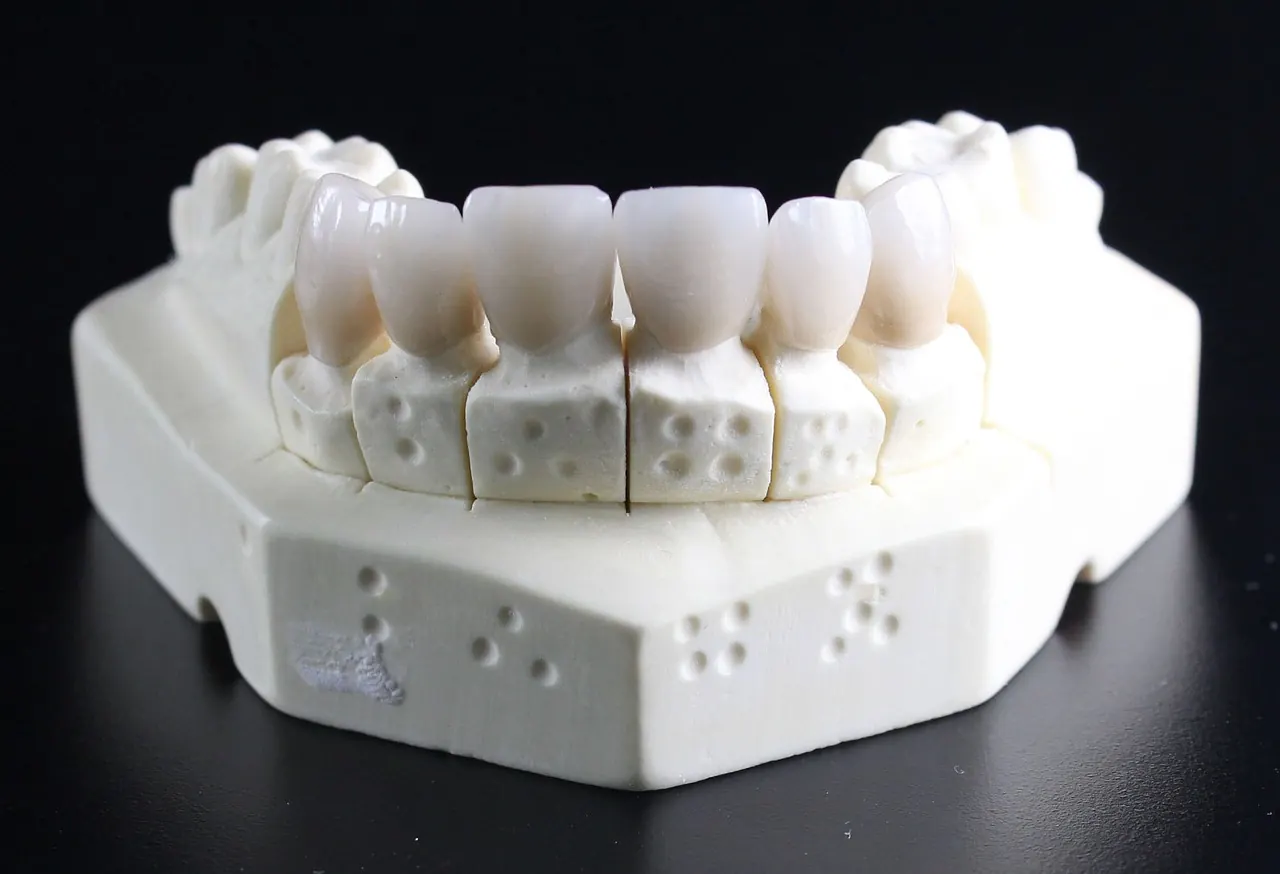
Today, many patients who are unhappy with their smile, who smile with reservation in public, or whose self-confidence has dropped because of the colour or shape of their teeth turn to dentists for smile design. Questions such as "What is smile design?" and "How is smile design done?" are among the most searched dental topics on social media lately. Among the most preferred options in smile design, porcelain laminates are the treatment people ask about most.
So What Is a Porcelain Laminate or Laminate Veneer?
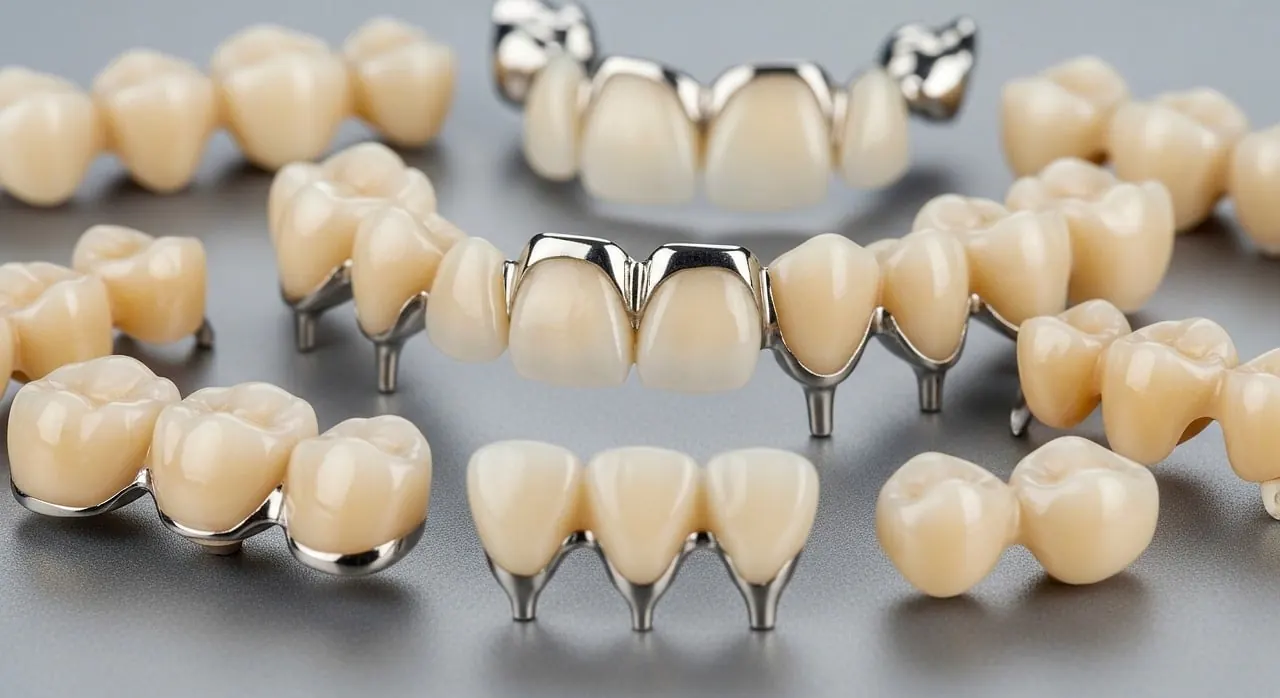
Lamina means "leaf" in Latin. It is a technique in which only the front surface of the teeth is thinned by 0.3–0.7 mm without cutting them, so that a minimum of healthy tooth tissue is lost. Thin porcelain laminates are then bonded to this thinned area.
Patients may hesitate to smile broadly for many reasons.
For example:
- "My teeth have gaps and the spaces bother me", or "My teeth are crowded".
- "My teeth are healthy but slightly crowded. I don't want orthodontic treatment. What else can we do?"
- "I'm not happy with the shape of my teeth. I just want a tooth shape that suits my face better and a lasting white colour."
- "My teeth were stained by medication I used before, and I brush them every day, but I can't get rid of the discolouration."
So what can we do? Questions like these, and many similar ones, are the ones dentists hear most often. For these complaints, porcelain laminates are the dentist's first treatment option, as they give both an aesthetic and a natural look. Porcelain laminates do not stain from cigarettes, tea, coffee or colouring foods, and even if some staining occurs it goes away with brushing. Because they contain no metal, they do not show a grey line at the gums in the long run. Thanks to their thinness and translucency, patients achieve the most natural smile and never feel the need to hide it in photos. Although it is the ideal option for many patients, there may also be cases where it should not be applied. The point dentists stress in their diagnosis is that it starts with making the ideal, best and most correct plan for the patient.
When Can Laminate Veneers Not Be Done?
- If the patient has a bite problem, the lower jaw sits forward or the teeth meet edge to edge,
- If there is not enough enamel on the tooth,
- If there is advanced fluorosis (yellow-white spots on the teeth),
- If there is severe discolouration (cases where the veneer cannot mask the underlying colour),
- If there is advanced teeth clenching and grinding,
then laminate veneers (leaf teeth) would not be suitable.
What Is the Treatment Process?
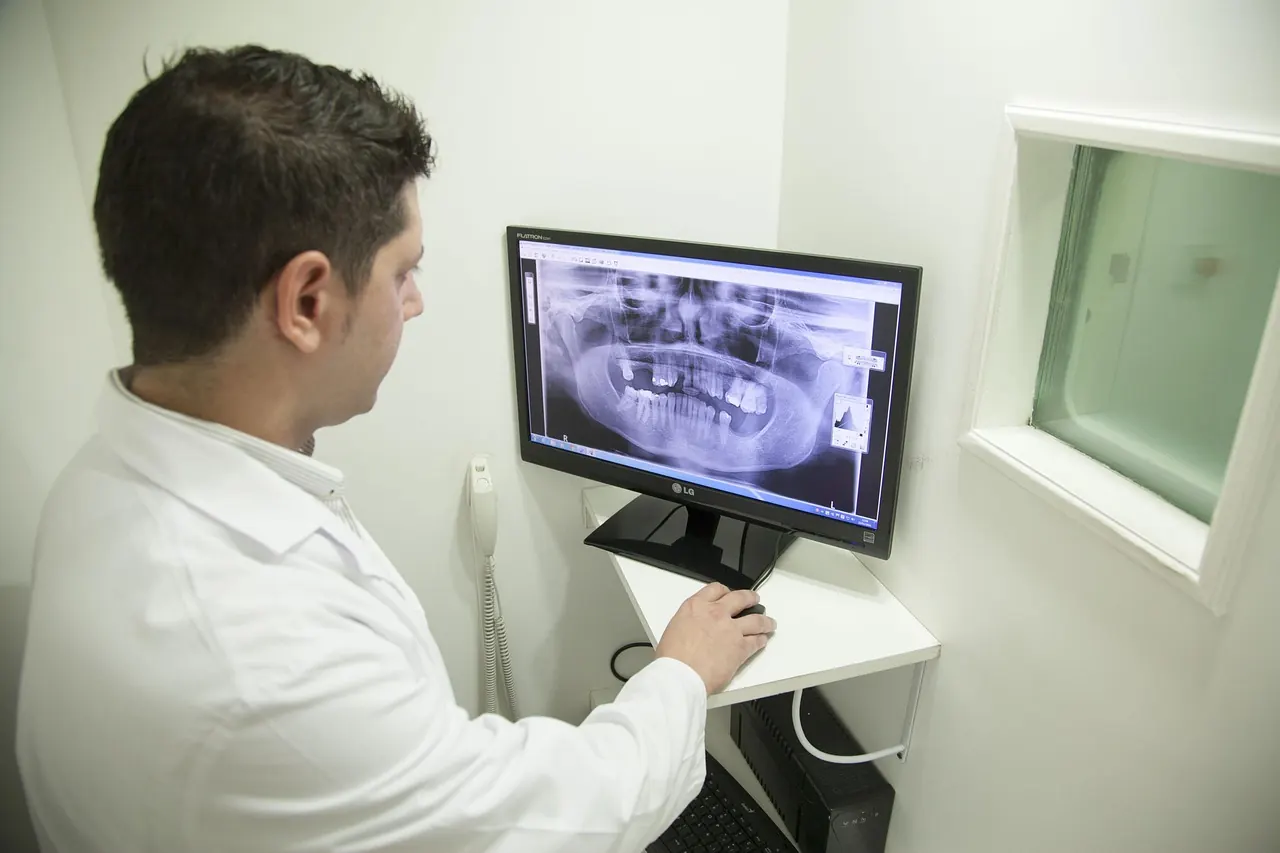
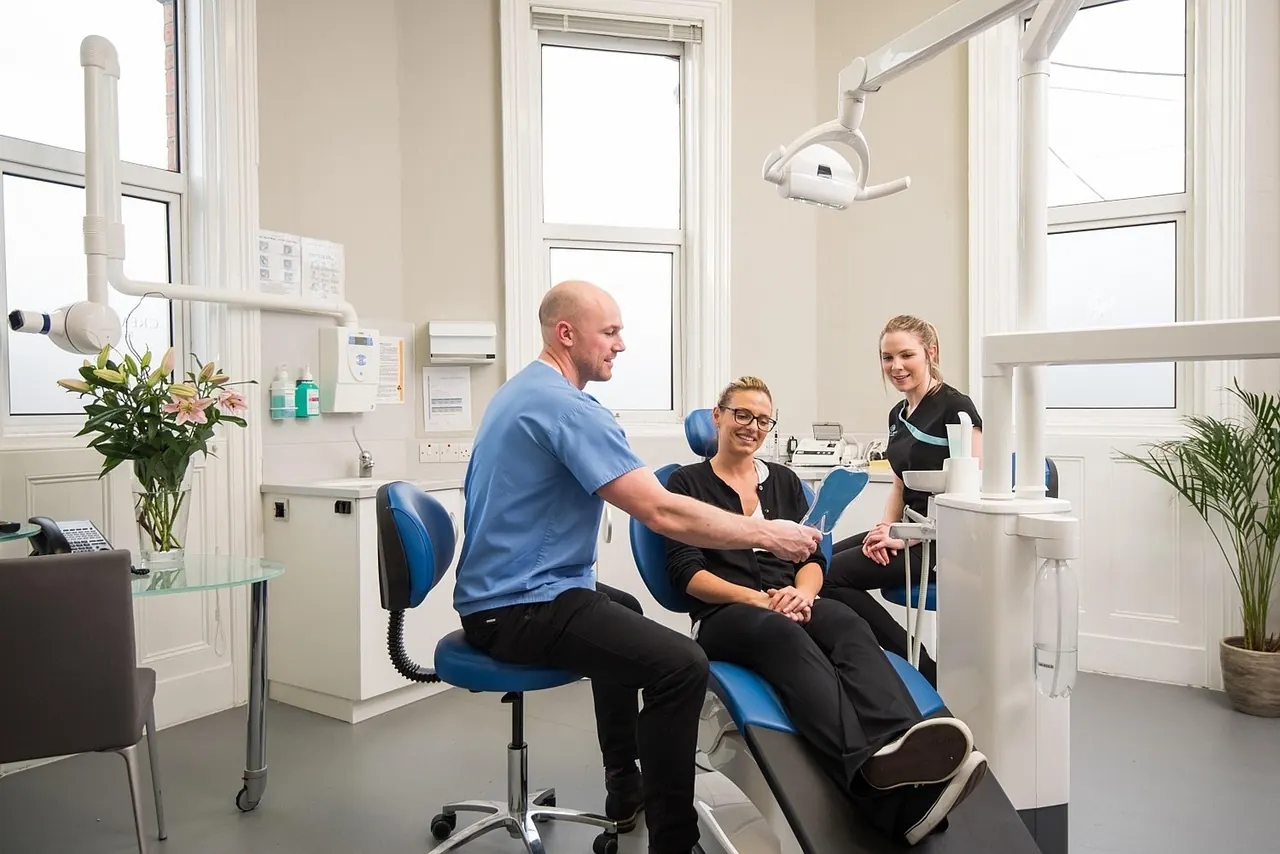
In dental treatment, the process matters as much as the result. Laminate (leaf tooth) treatment requires at least 2 sessions and is usually completed within 7–10 days. In the first stage the tooth surfaces are roughened for preparation and an impression is taken. The shape and colour are designed with the patient's wishes in mind. Temporary laminates are made during this period so that the patient's social life is not affected. The laminates prepared according to the design are bonded once the patient approves them at the try-in session.
What Should Be Considered After the Treatment?
Patients who have porcelain laminates should continue their normal oral hygiene routine. Dentists ask patients to wear the night guard prepared for them for the first month.