




Bad breath (halitosis) is a condition that negatively affects both a person's health and social relationships. It can lead to loss of self-confidence, psychosocial stress and social exclusion, but depending on the underlying cause it can be treated easily.
What Causes Bad Breath?
This problem can result from a physiological disorder, psychological reasons or a combination of both. The most common causes of bad breath are:
Biological Causes of Bad Breath
- Less saliva than normal,
- Systemic problems such as diabetes, liver disease and kidney disease,
- Diseases originating in the tonsils,
- Prolonged hunger,
- Menstruation,
- Sinusitis,
- Mucosal diseases, throat, nose and sinus infections,
- Reflux and stomach ulcers,
- Postnasal drip.
Factors Related to the Mouth
- Oral, dental and gum diseases,
- Tooth decay,
- Dry mouth,
- Poorly maintained prostheses, fillings and implants,
- Tongue coating,
- Oral infections and fungal infections,
- Tartar,
- Oral cancer,
- Cleft palate,
- Poor oral hygiene and food residues that are not cleaned away.
Other Causes of Bad Breath
- Some medications,
- Smoking,
- Some spices,
- Odorous foods such as radish, garlic and onion,
- High-protein foods,
- Alcohol,
- Coffee.
How Is Bad Breath Diagnosed?
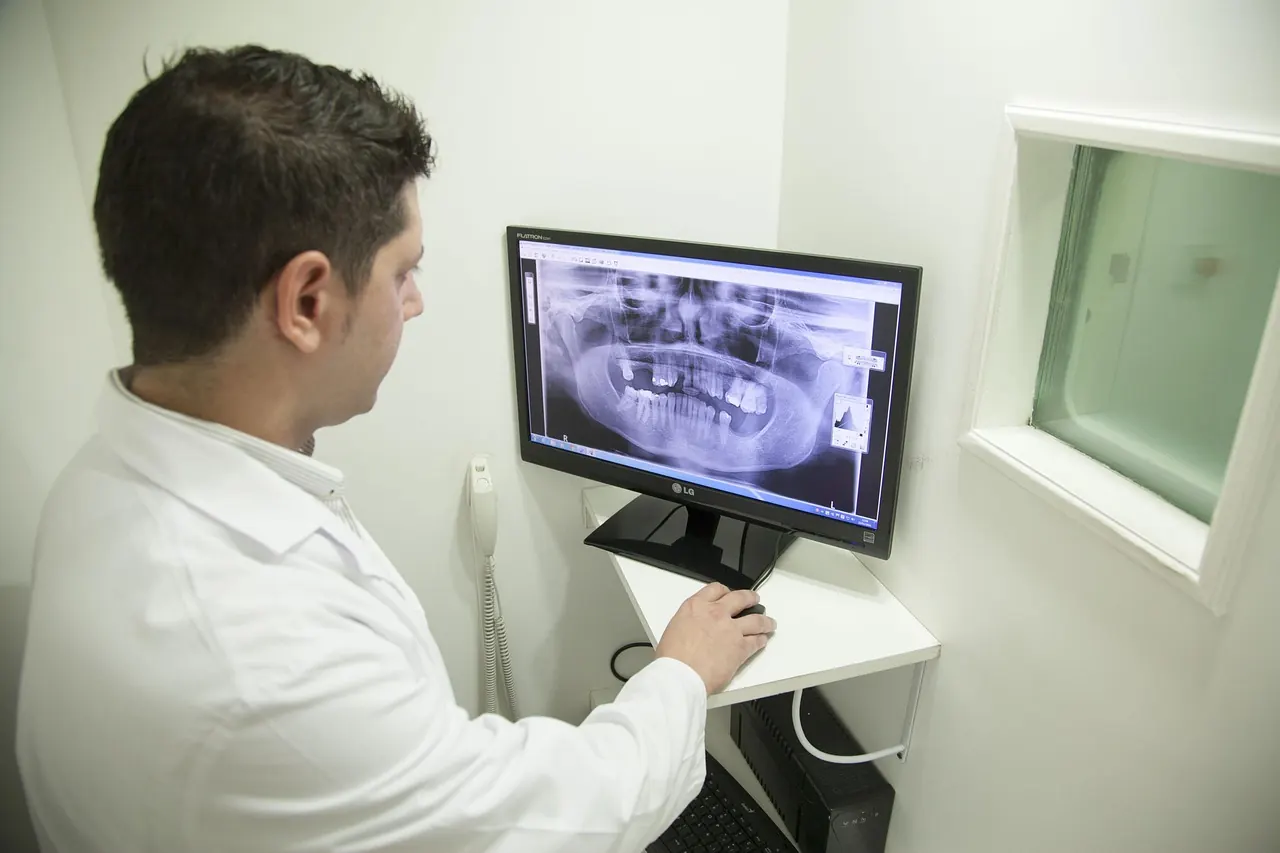
For this, the soft and hard tissues in the patient's mouth are examined in detail. The teeth, gums and surrounding structures are examined to determine whether there is a problem in the mouth.
Various blood tests and laboratory examinations may also be needed to find out what is causing the bad breath.
How Is Bad Breath Treated?
Mouthwashes, chewing gum, sweets and similar products are not an effective solution for bad breath treatment. They only suppress the smell temporarily; a lasting solution is possible by finding out what causes the bad breath.
If a condition in the body causes the bad breath, it must be treated first. For example:
- Immune system diseases,
- Respiratory problems,
- Blood diseases,
- Stomach and bowel disorders.
- Metabolic diseases,
- Leukaemia,
- AIDS are some of them.
Bad Breath Treatment Methods
Some commonly used treatments for persistent bad breath include:
Replacing bridges and prostheses:
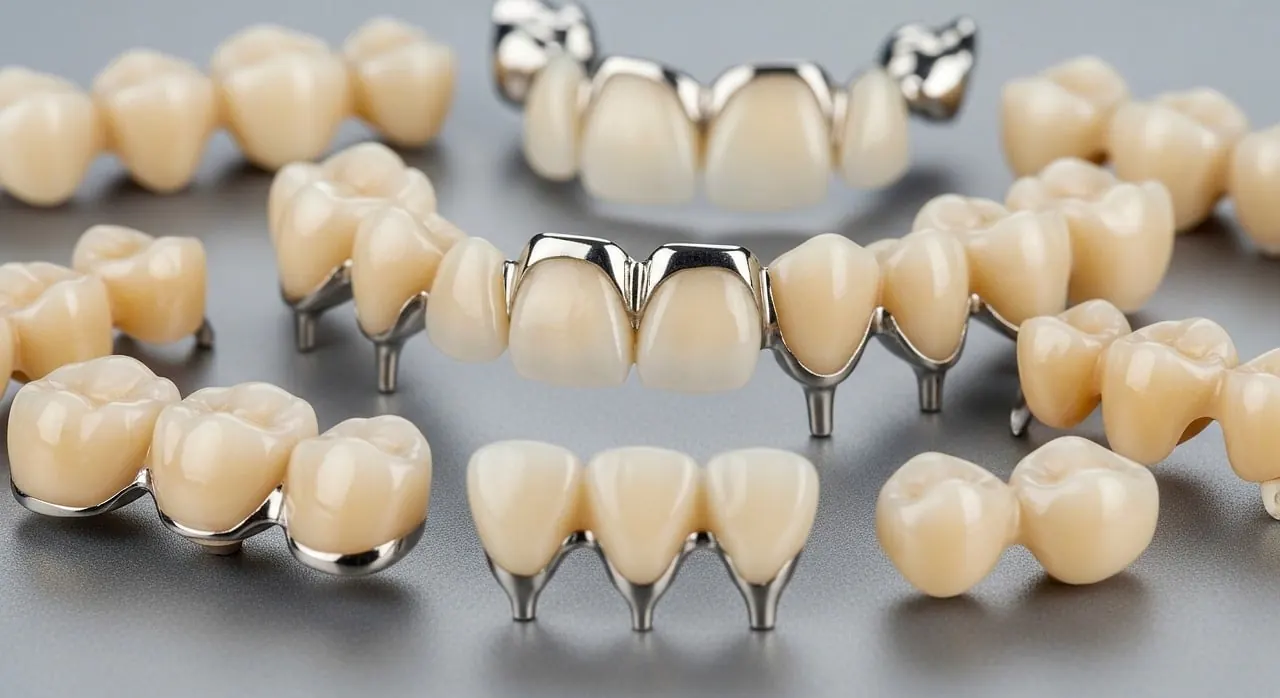
Bridges or prostheses in the mouth may have worn out. Because such structures cause food to build up, they produce a bad smell. Prostheses or bridges that have reached the end of their life and can no longer be used are replaced with new ones. If teeth are missing, treatments for them are carried out.
Plaque cleaning:
If plaque, tartar or calculus has formed on the teeth, a treatment is planned to remove it from the mouth. The dentist may also recommend a special toothpaste and an antibacterial mouthwash for the patient.
- Treatment of decay:
If one or more teeth have decayed and lost their function, the necessary treatments are arranged. In this way the mouth is rid of these non-functional teeth. By choosing a suitable method such as a filling, root canal treatment or crown, the teeth are restored to their former health.
- Use of antibiotics:
If there is an infection, antibiotics may be started to clear it.
- Oral medications and artificial preparations:
If there is persistent dry mouth, these pharmacological products are used to relieve it.
- Reflux treatment:
Bad breath caused by reflux can be eliminated with medication that reduces stomach acid and a personalised diet programme.
Dentaloji, serving as a Beylikdüzü dental clinic, is the right address for diagnosis and treatment of bad breath.