


What Is Implant Treatment?
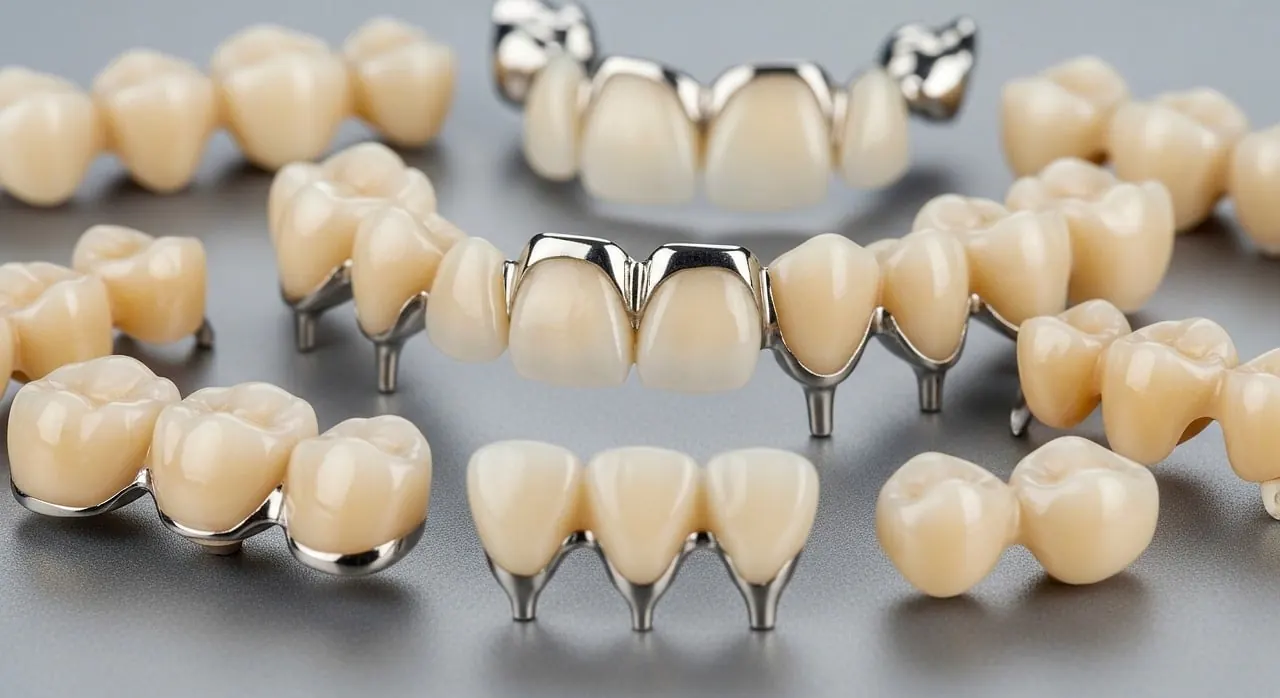
Implant treatment is a treatment used to replace teeth lost through trauma, decay or another cause. These artificial tooth roots, made in the shape of a screw, are generally manufactured from a titanium alloy. They are fixed inside the jawbone. A different material is then placed on top of the implant as a prosthesis. Metal-supported porcelain or zirconia crowns are mostly used for this purpose.
Dental implants offer more functional, permanent and aesthetic results than conventional dentures and crowns. They act as the foundation for the teeth and support removable dentures or bridges. Their compatibility with the tissue is excellent, which is why they are so widely preferred.
In patients missing a single tooth, a single implant can be placed without the need to cut down the neighbouring teeth. In people with multiple missing teeth, implants again take the place of the tooth root and make it possible to have fixed teeth. For patients who do not want to use a full denture, this is the best treatment method.
What Are the Advantages of Implant Treatment?
It creates the look and feel of natural teeth.
- It is permanent and very durable, because implants are designed to fuse with the bone.
- Poorly fitted dentures can slip in the mouth and make it difficult for a person to speak. Dental implants have no such risk.
- On the other hand, dentures can make eating difficult. Implants work just like a normal tooth and let you eat as before, without extra effort and without pain.
- When a tooth is lost, a gap appears where the root was. The implant fills that area just like a natural tooth.
- Giving the chance of a beautiful, healthy smile, implant treatment also raises self-confidence.
- The neighbouring teeth do not need to be reduced to carry out this treatment. It does not harm the existing teeth.
When Is Implant Treatment Needed?
- Tooth loss caused by gum disease, decay, accidents and similar factors is corrected with implants. This condition, which harms the aesthetic appearance and has a negative effect on chewing, is resolved with an implant in a very short time.
- Patients who have a genetic absence of teeth can also overcome this problem with implant treatment.
- Implants may be preferred for people with advanced bone loss who cannot use dentures.
- For people who have lost a single tooth, implant treatment is used to create a new tooth without touching the neighbouring teeth.
- A missing molar can also be corrected with implants and bridge treatments.
Who Is Implant Treatment Not Suitable For?
- Implant treatment is not used in people whose bone growth and development are still continuing.
- Placing implants may be inadvisable for people who have had radiotherapy to the head and neck.
- Smoking lowers the chance of success of the treatment and causes wounds to heal more slowly. For this reason, there is a risk that the treatment will not give an effective result in people who smoke heavily.
- In people with haemophilia, autoimmune diseases, diabetes, hypertension and similar systemic diseases, these conditions must be brought under control before implants are placed.
- Patients who use medicines that suppress the immune system, such as corticosteroids and bisphosphonates, may not be considered suitable for implant treatment. A consultation should be held before the operation and the necessary conditions created.
The Most Common Types of Implants
Subperiosteal implants
They are placed on the jawbone or under the gum tissue and have a metal base. Subperiosteal implants are used when the patient's bone tissue is not suitable for an intraosseous implant.
Endosteal implants
This type of implant is placed directly into the jawbone. It is designed in a conical or cylindrical shape.
How Is an Implant Placed?
The answer to this question varies according to the patient's bone and facial structure, the number of missing teeth, the type of implant, the bone density and similar factors. The following methods are used in treatment:
The tooth is extracted and the implant is placed in the resulting gap.
If the closed method is used, no flap needs to be opened. There is no need to cut the area where the implant will be placed. A cavity is created with a laser and the implant is placed in it.
Another method is to place the implant through the mucosa. This is a method used especially for mini implants.
In the classic surgical method, a cavity is opened in the jawbone. After the implant is placed, stitches are applied.
About 3-6 months of waiting will be needed for the implants to fuse fully with the jawbone.
How Much Do Implants Cost?
Dental implant prices vary according to the type, material quality and number of implants to be used. On the other hand, there is always a price difference between domestic implant prices and imported implants. To get reliable information about dental implant prices, you can visit Dentaloji Clinics and, after a comprehensive examination and a talk with our dentists, receive an accurate quote.
Implant treatment is an area in which Dentaloji has proven its excellence; it provides care with specialist dentists, led by science and advanced technology. Always the right address for quality treatment, Dentaloji is the choice of those who want healthier teeth and a flawless smile.